
Bixby aims to be the central hub for all Samsung devices, says Jisun Park
Samsung’s Bixby has evolved into a device agent, offering intuitive control and personalized solutions across Samsung devices. Jisun Park discusses Bixby’s transformation and its future role in Samsung’s AI strategy.

As advancements in artificial intelligence (AI) progress, the landscape of mobile experiences is rapidly shifting from mere command execution to a more sophisticated form of AI that understands user intent and context, and can autonomously perform actions on behalf of users.
In this evolving environment, Samsung Electronics has positioned its AI assistant, Bixby, as a leader. Launched on March 31, Bixby has transitioned from being a simple voice assistant to what is now termed a “device agent.” This transformation enables Bixby to understand the context of a device, connect various functions, and carry out complex tasks for the user. Through intuitive natural language control, Bixby offers personalized solutions based on the device’s status and provides seamless access to web-based information within a single conversation.
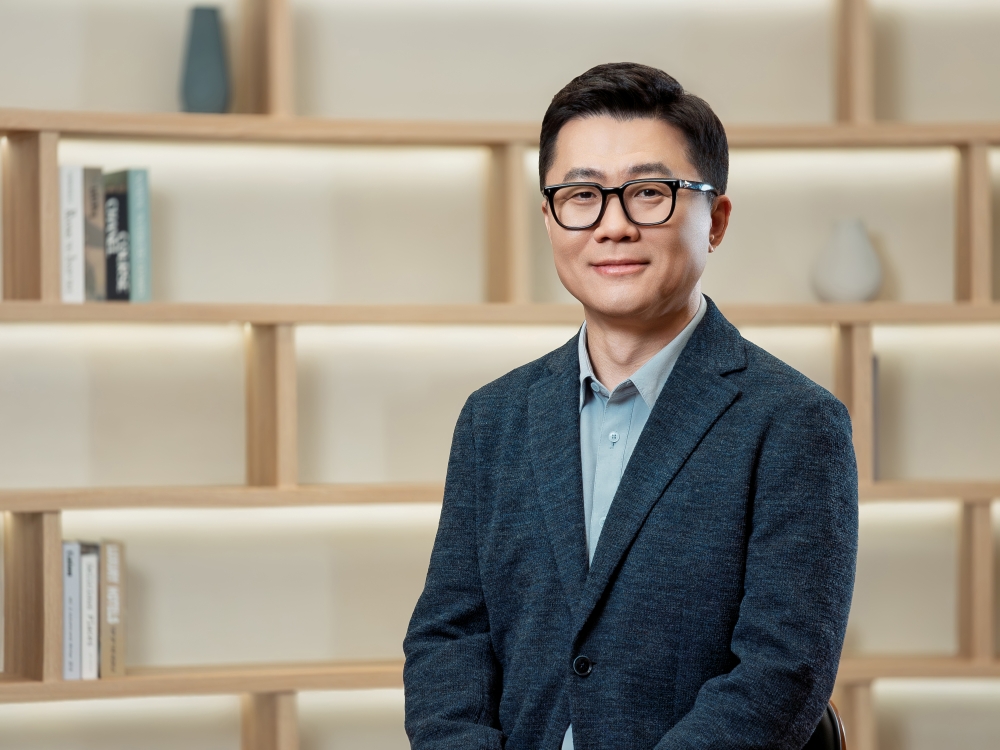
Jisun Park, Corporate Executive Vice President and Head of the Language AI Team at Samsung Electronics’ Mobile eXperience (MX) Business, elaborates on what makes Bixby more than just a voice assistant.
Q. How has Bixby changed recently?
Bixby has advanced into a more robust device agent, surpassing the capabilities of a traditional assistant. It is optimized for each user’s device, understanding its status and capabilities to deliver relevant responses and tailored solutions. Enhanced natural language understanding allows for more intuitive and seamless device control.
Q. What are the new user experiences with Bixby?
The most significant change is in the intuitiveness of device control. Bixby comprehends user intent and suggests the most appropriate settings or features, removing the need to navigate through menus. For instance, a user can say, “Make my screen visible only to me,” and Bixby will activate the Privacy Display feature.
Bixby can also provide answers about the device and personalized solutions based on current settings, acting as a pocket-sized service center. For example, if a user says, “My eyes are tired — how can I make the screen easier to look at?” Bixby will recommend and activate the Eye Comfort Shield feature.
Furthermore, Bixby is not restricted to device-related inquiries. It can analyze real-time web information to provide relevant answers, such as suggesting restaurants in Seoul for a family of four, all within the same conversational flow.
Q. What challenges were faced in updating Bixby?
The primary challenge was redesigning Bixby’s architecture from command-based to agentic, enhancing its ability to understand user intent and deliver optimal results. Previously, Bixby followed preset scenarios, but now, with a large language model (LLM) at its core, it interprets intent more flexibly and generates its own execution plans.
By transforming individual functions into callable agents, Bixby can now combine multiple functions and APIs to complete complex tasks more naturally and with greater contextual awareness.
Q. What role will Bixby play in Samsung’s AI strategy?
Bixby is set to be a key player as a device agent, facilitating easier access to Samsung devices and features. The aim is to integrate AI seamlessly into daily life, much like essential infrastructure, making everyday experiences more convenient.
Q. How is Bixby expanding beyond Galaxy devices?
Bixby is being integrated into a wider range of Samsung products, enhancing convenience for users. Through SmartThings integration, users can control home appliances remotely via Galaxy devices, furthering Bixby’s role in creating an integrated and connected user experience.
Q. What is the future vision for Bixby?
The goal is for Bixby to be the primary interface for interacting with Samsung products, shifting from app- and menu-based interactions to a more natural, conversation-driven experience. This involves continual advancements in AI capabilities like natural language understanding and context-based reasoning, while expanding Bixby across more devices.