

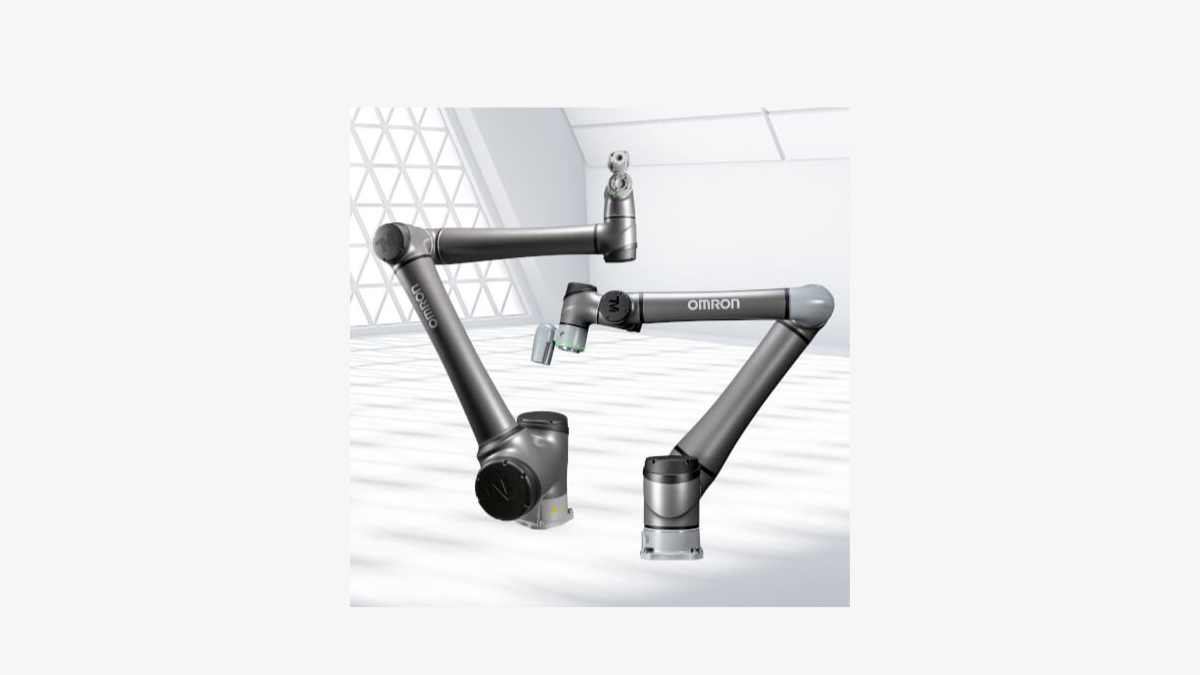
The robotics landscape in 2025 is defined by the growing integration of artificial intelligence (AI) and collaborative robots, or cobots, which are reshaping the way humans and robots coexist in industrial environments. Advanced AI is now embedded in many robotic systems enhancing their capacity to understand natural language, perform complex problem-solving, and adapt dynamically to new tasks without extensive reprogramming.
Cobots have emerged as a highlight of this evolution, designed specifically to work side by side with human operators safely and efficiently. These robots come equipped with sophisticated sensors to detect human presence and avoid accidents, fostering safer workplaces. Their intuitive user interfaces reduce the barriers for human operators, allowing quick training and deployment, which cuts costs and boosts productivity.
In logistics, Autonomous Mobile Robots (AMRs) equipped with cutting-edge navigation tech are becoming common in warehouses. These robots autonomously transport materials, adapting routes in real time and improving operational flow.
Additional notable trends include soft robotics for handling fragile goods, surgical robots for enhanced precision in medical procedures, and robotic exoskeletons aiding workers by minimizing physical strain.
Investments and research in robotics surged in 2025, emphasizing the critical role of AI-driven innovation in expanding robots’ capabilities and adoption across manufacturing, healthcare, and service industries.