
How the Clair Obscur: Expedition 33 dev process powered creative design freedom
Tom Guillermin, co-founder and CTO of Sandfall Interactive, discusses the development process of the RPG Clair Obscur: Expedition 33, emphasizing the importance of creative freedom and collaboration within the team.

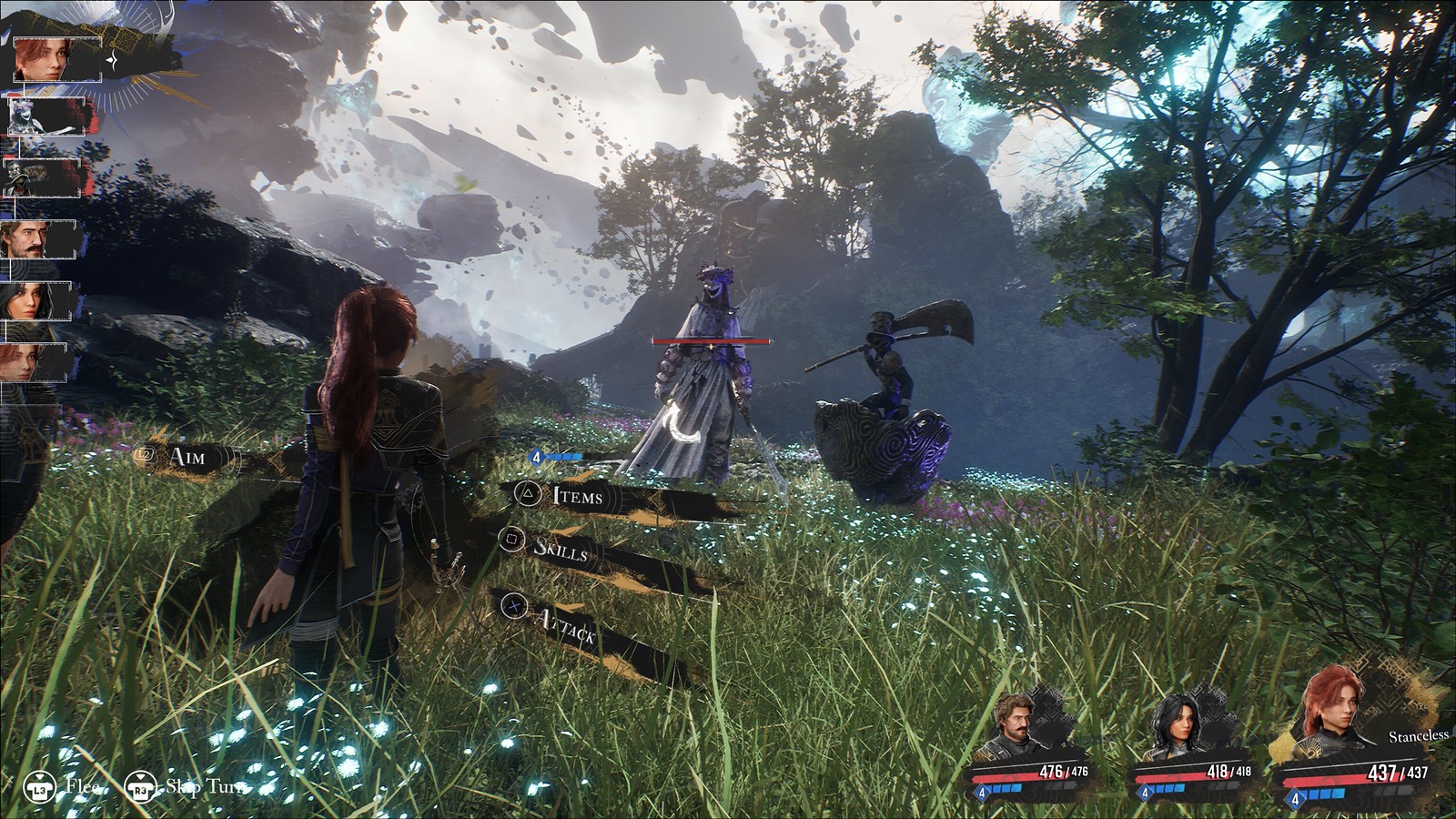
Tom Guillermin, co-founder and CTO of Sandfall Interactive, shares insights into the development of the acclaimed RPG Clair Obscur: Expedition 33. This article reflects on their recent presentation at the Game Developers Conference (GDC) Festival of Gaming, where industry professionals gathered to exchange knowledge.
During the talk, Guillermin and senior gameplay programmer Florian Torres discussed how their small technical team prioritized providing designers with maximum creative freedom. They aimed to empower the design team to create and combine various gameplay elements, which they believe will resonate with the gaming community.
The development of video games requires collaboration across diverse disciplines, and the skill set of the team evolves as the project progresses. From dynamic combat abilities to the intricate assets that form the game’s world, effective planning and organization were crucial in bringing Clair Obscur: Expedition 33 to fruition.
The initial stages of the game were developed by Guillaume Broche, CEO of Sandfall Interactive, working solo in his bedroom, with occasional assistance from Guillermin. As the project advanced, the team expanded with the goal of creating a vertical slice of the game. By 2022, the team had grown to twelve members, and their attendance at GDC led to a partnership with Kepler Interactive, which facilitated the development of an Alpha build and the addition of essential roles such as artists and programmers.
Guillermin admits that coding is not their strong suit, so the team focuses on delivering an enjoyable player experience while enabling the creative team to achieve their vision. This led them to favor Unreal Engine for its robust features, which also include bug fixes and performance enhancements. Although updates require integration work, the team aims to maintain a straightforward process by keeping the engine consistent. They utilized various external plugins to enhance the engine’s capabilities and prototype gameplay features.
To bridge the gap between programmers and designers, the team employed Blueprint visual scripting, a node-based interface within Unreal Engine. This system allows non-programmers on the team to contribute to game logic, enabling designers to craft gameplay mechanics directly in the Unreal Editor. This approach empowers designers to use tools typically reserved for programmers, fostering a collaborative environment.
The team utilized Blueprints to develop numerous game elements, including character movement and visual effects, akin to working with 3D software. The ability to animate camera angles and effects, such as camera shakes and time dilation, enhances the intensity of gameplay experiences.
Asset creation is another vital aspect of game development, with the team employing creative strategies to repurpose assets across different scenarios. The world map represents a significant focus in development, being the largest level with the most features. Elements from other levels were creatively integrated into this map, maintaining efficiency while ensuring a cohesive experience.
While coding remains essential, Blueprints offer an alternative for aspiring developers and curious gamers to begin their projects. At Sandfall Interactive, programmers establish the foundational elements, allowing designers to explore and innovate beyond initial expectations. This collaborative approach emphasizes the importance of teamwork in achieving their creative goals.
Clair Obscur: Expedition 33 is currently available on PlayStation 5, with a two-hour trial accessible for PlayStation Plus subscribers.